
What Is ANSI Z87.1? Z87 vs Z87+ vs EN 166
ANSI/ISEA Z87.1 is the US standard for occupational eye and face protection. A Z87 mark means the product meets the basic impact requirements; Z87+ means it also passed the high-velocity and high-mass impact tests.
What does Z87 mean on safety glasses?
The frame and lens of a compliant product are marked by the manufacturer. Z87 = basic impact, Z87+ = high impact. Additional letters show other functions, for example U plus a number for UV filtering, D3 for splash and droplet protection, D4 for dust and D5 for fine dust, and V for photochromic lenses.
Z87 vs Z87+
Z87+ products survive a 1/4-inch steel ball fired at 150 feet per second and a pointed 500 g weight dropped from 50 inches. For grinding, cutting and most industrial work, buyers ask for Z87+.
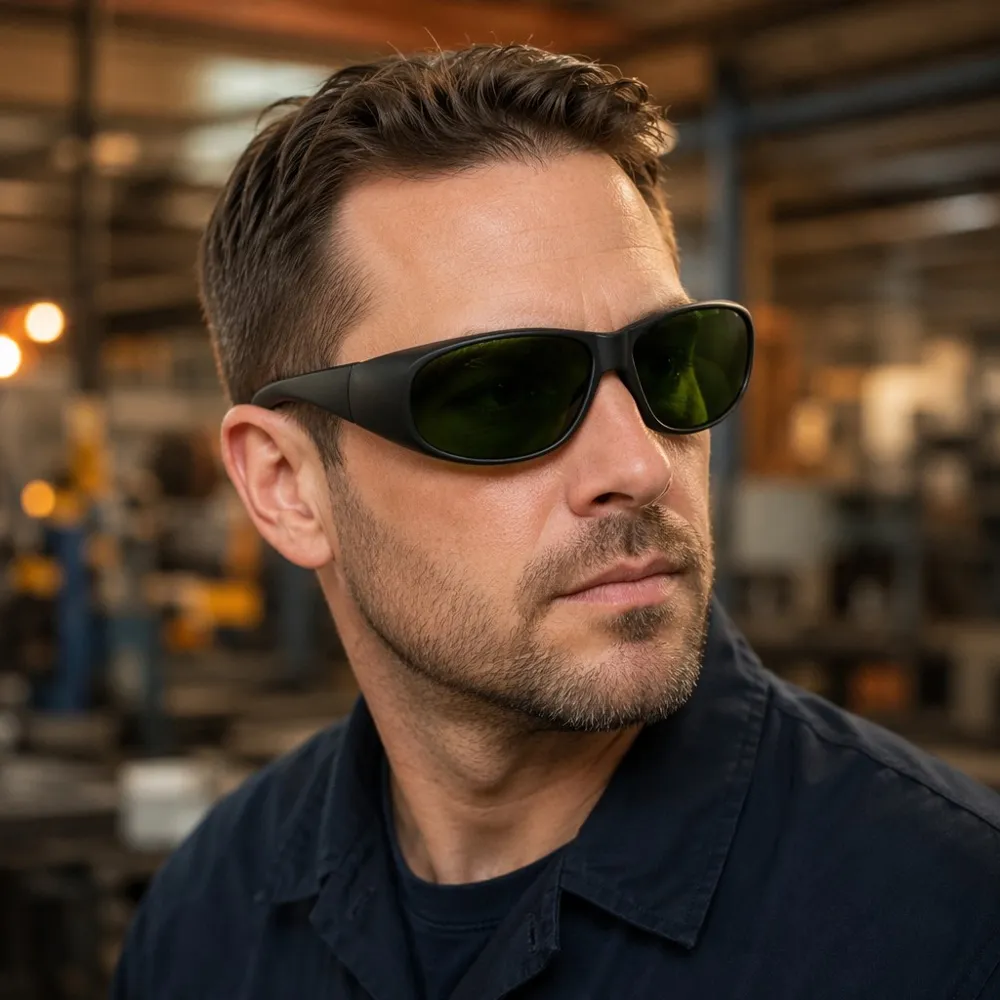
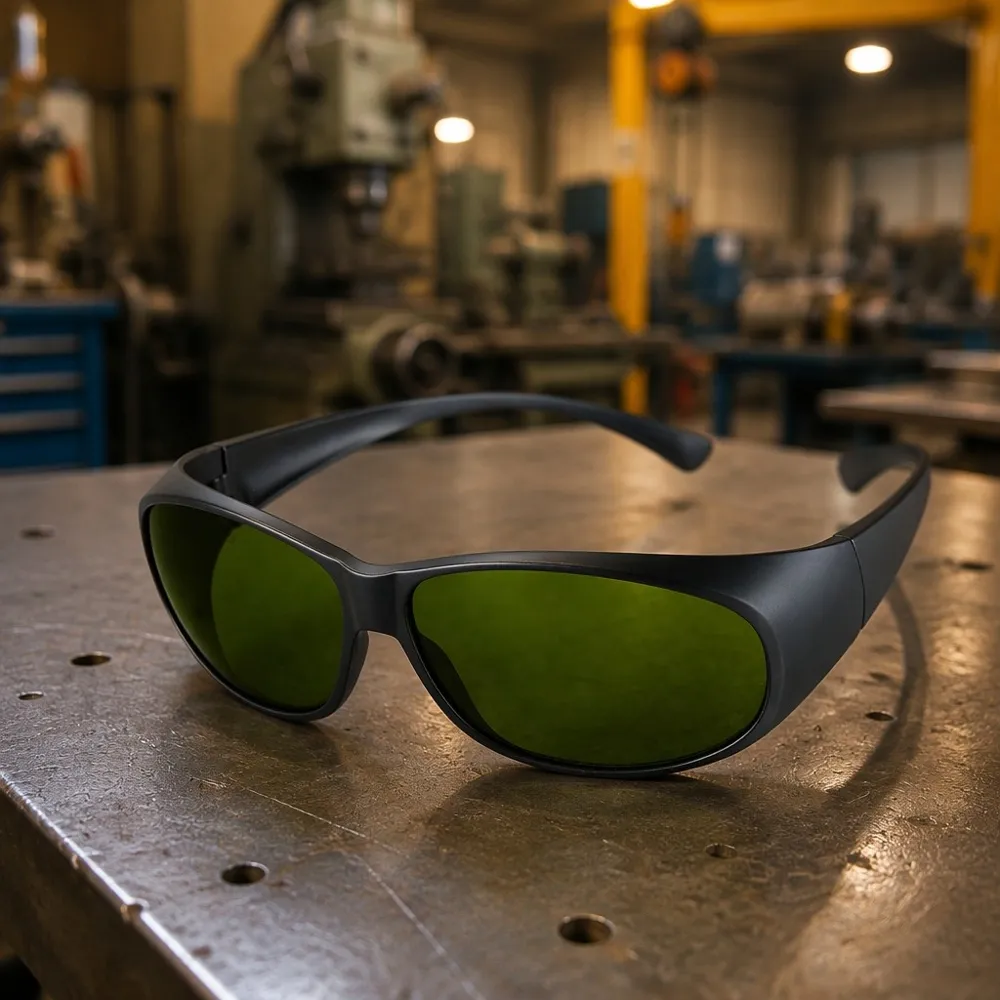
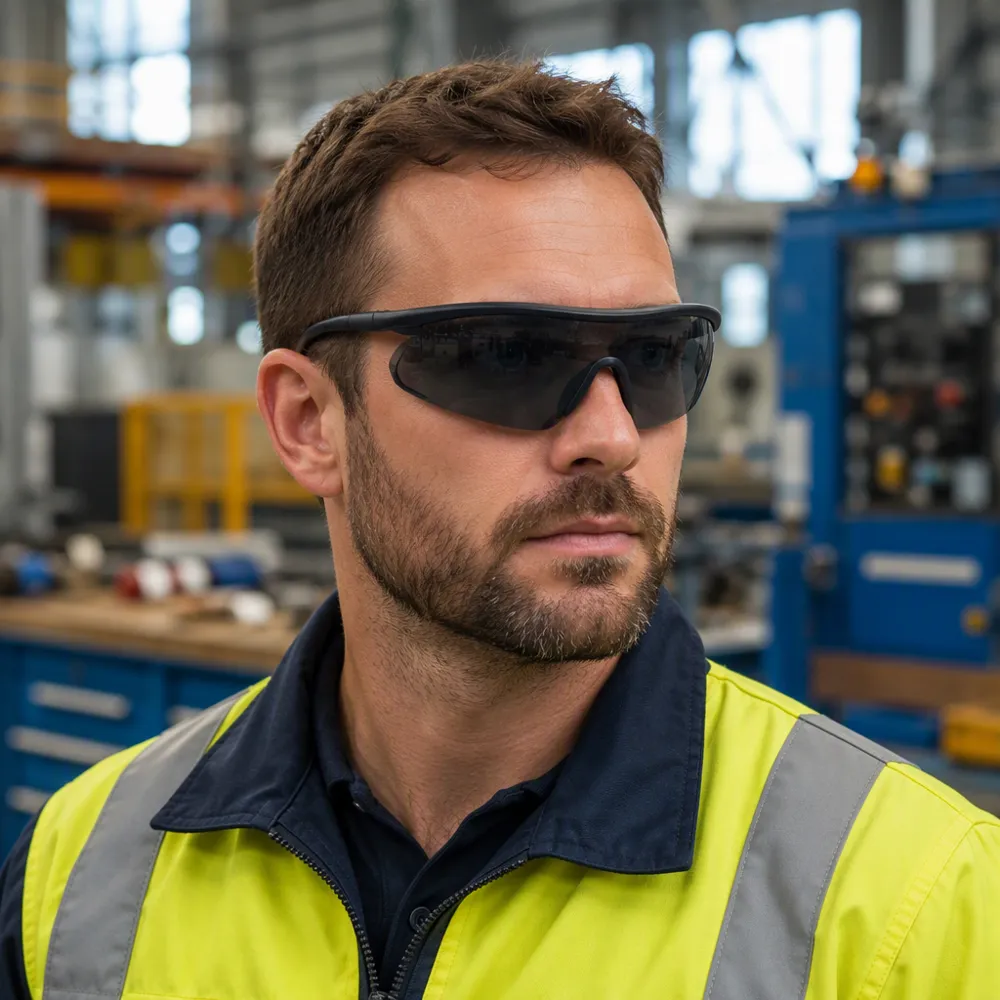
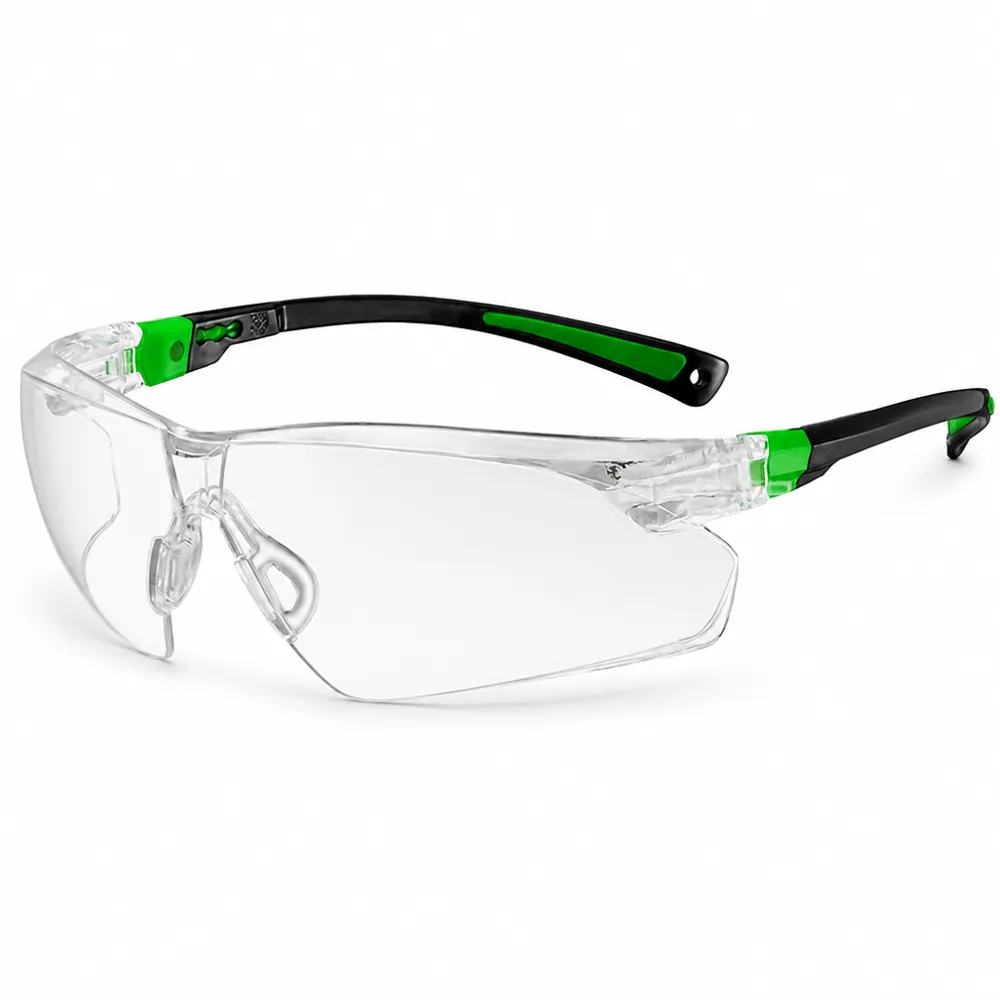
Safety models from our range
Each certificate covers the models named on it — the ANSI Z87.1 report covers model BA3166. Ask for the certificate copy for the exact model you order.


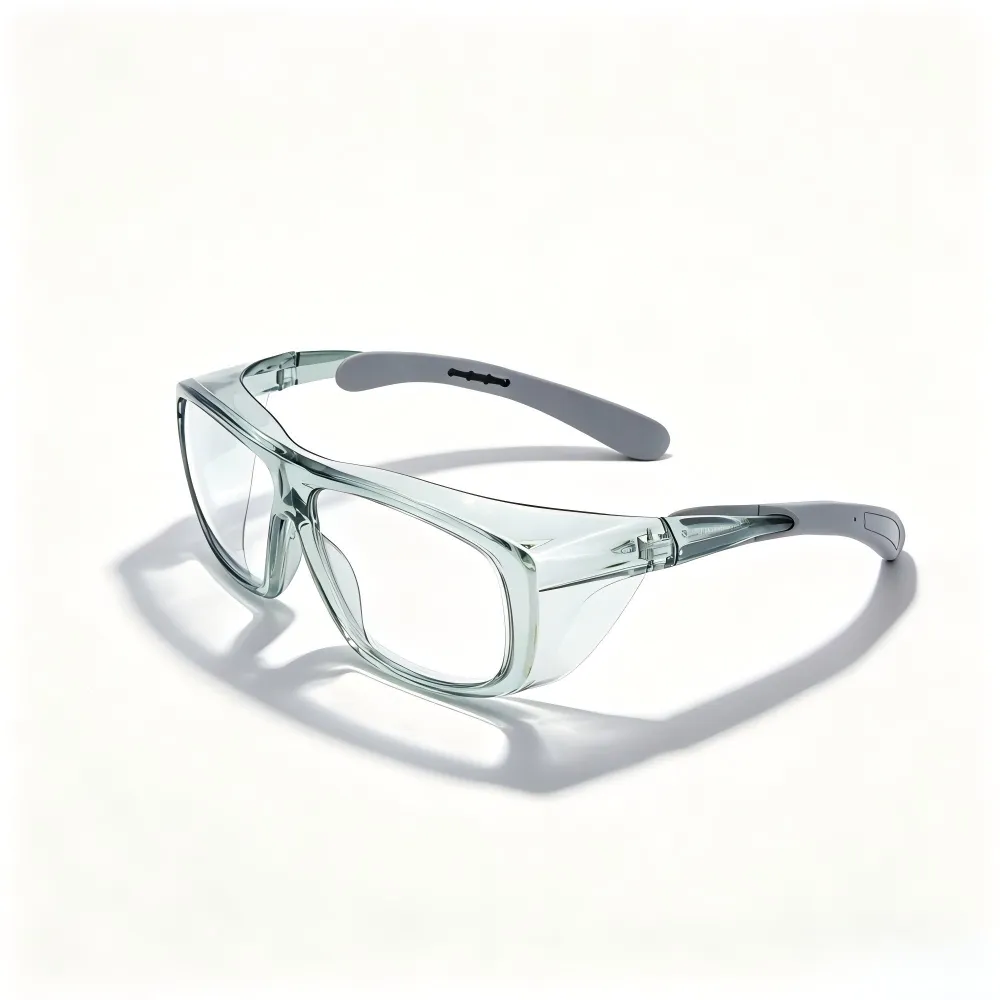
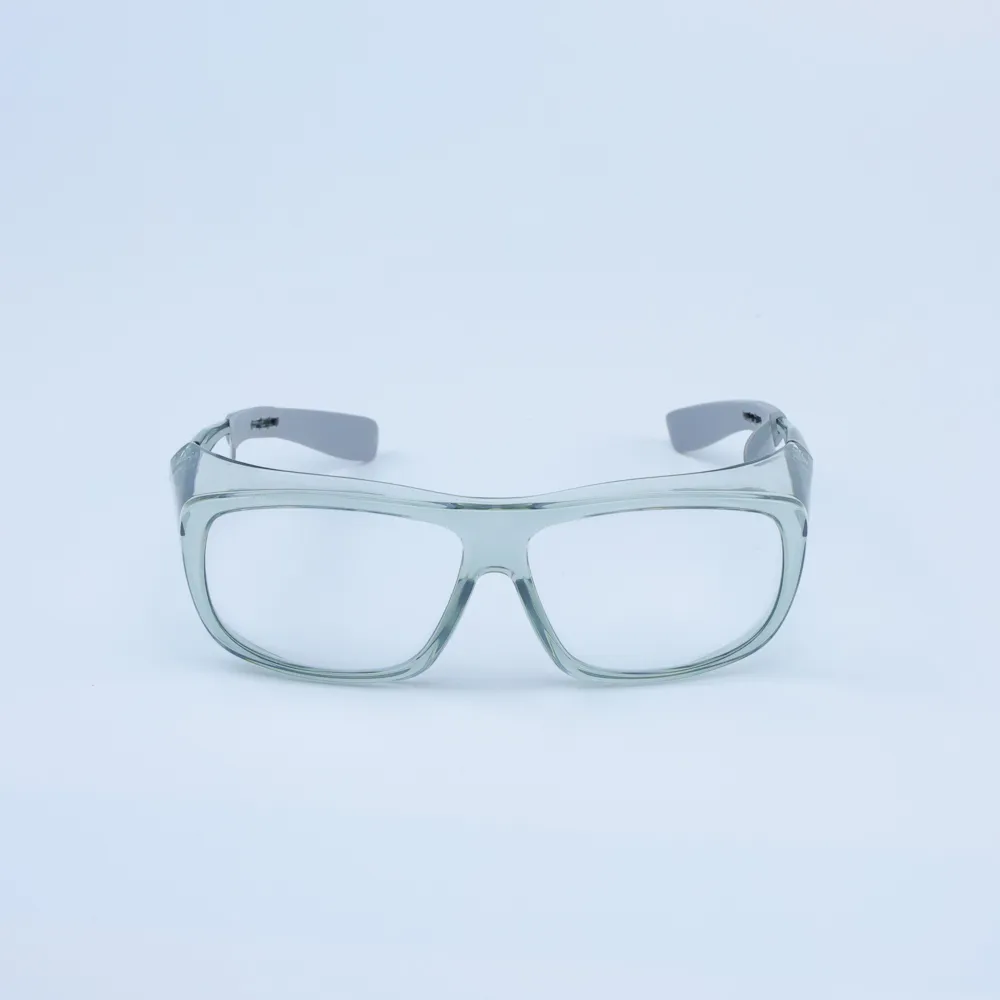

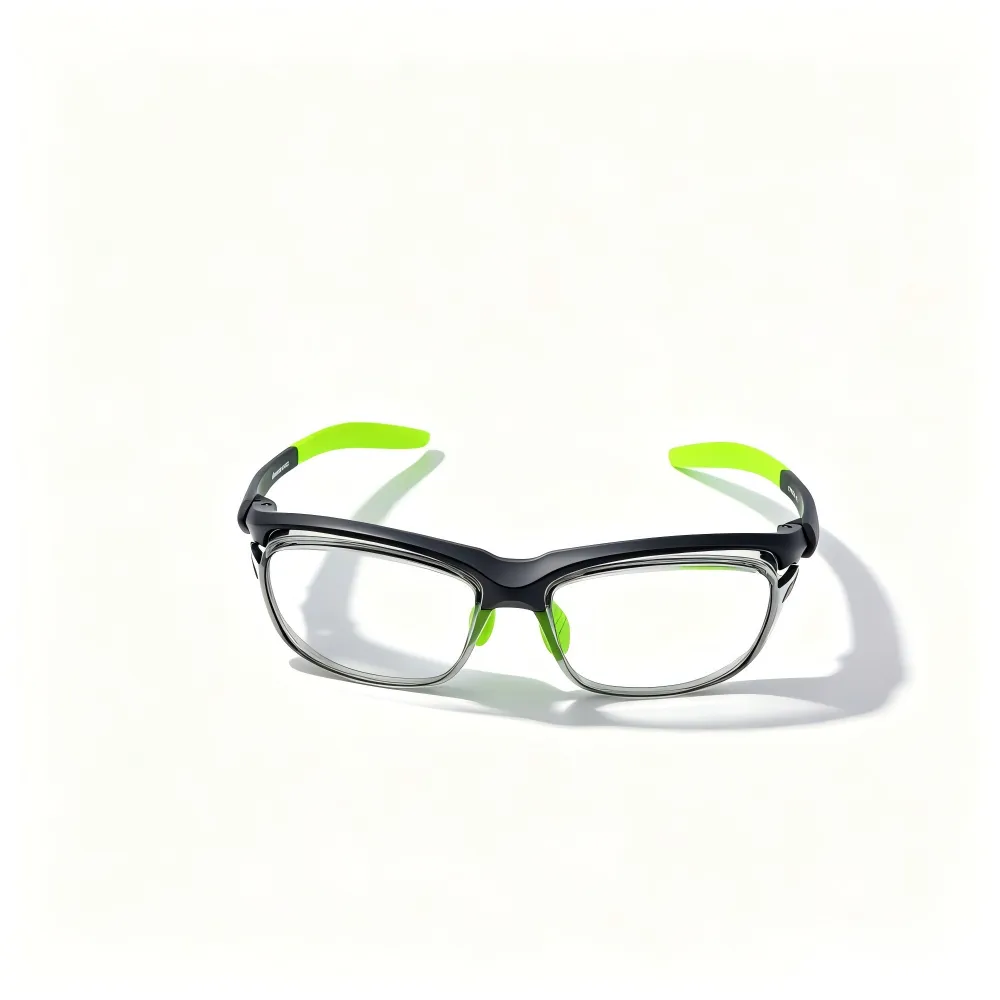
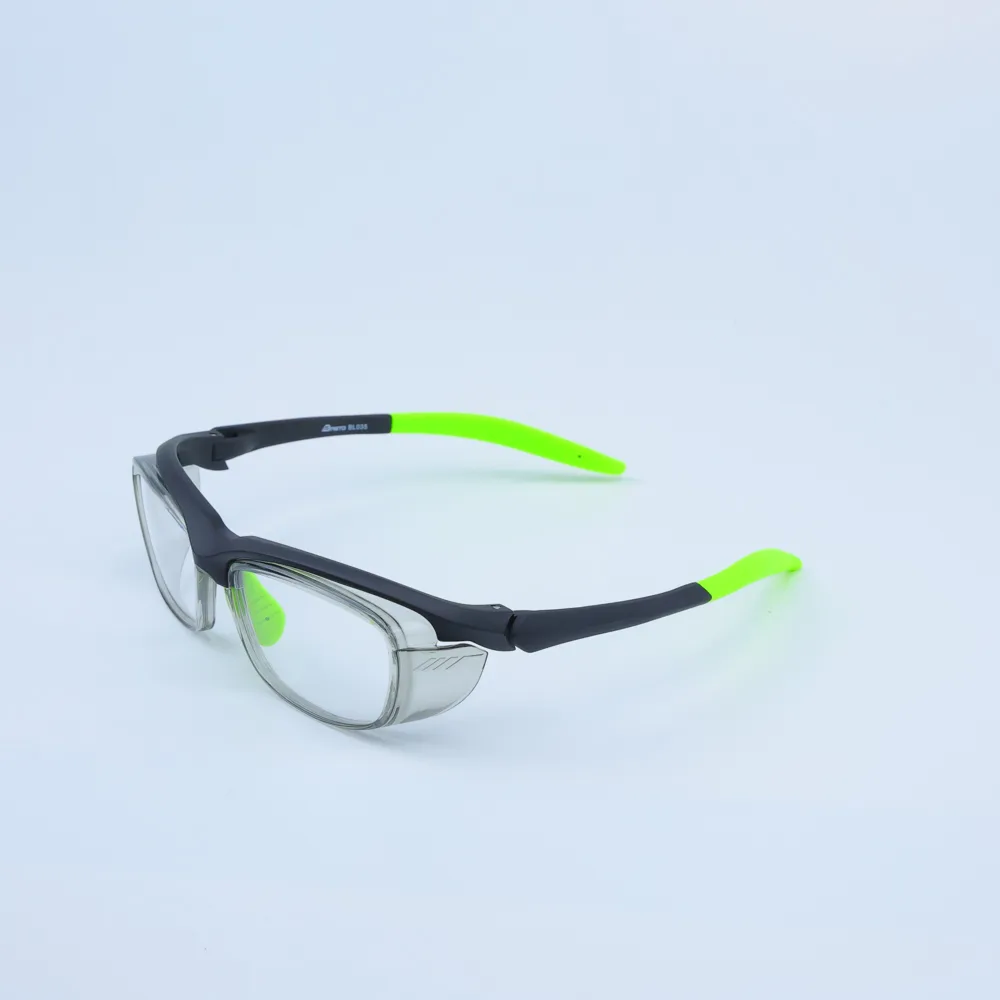


How does EN 166 compare?
In Europe, EN 166 has been the main standard for personal eye protection, now being replaced by EN ISO 16321-1. EN 166 marks optical class (1–3) and mechanical strength: S (increased robustness), F (low-energy impact 45 m/s), B (medium 120 m/s) and A (high 190 m/s); K means scratch resistance and N anti-fog.
A product can be certified to both standards, but one certificate never replaces the other.
How to check a supplier's Z87.1 claim
Ask for the test report or certificate number, the test lab, and the model numbers covered. Our ANSI/ISEA Z87.1 certificate SZHH01937853 was issued by Intertek and names model BA3166; certificate PL 2401341 covers sunglasses. Other models are not Z87.1 certified unless a certificate names them.
Are Oakleys Z87?
Some Oakley models are sold in Z87-rated versions and many are not; the rating applies to specific models and is marked on the frame and lens. The same rule applies to every brand, including private label.