
How Do Photochromic Lenses Work?
Photochromic lenses contain molecules that change shape when hit by ultraviolet light, which makes the lens darker; when the UV goes away they return to their clear state. That is why they darken outdoors and clear indoors.
What are photochromic lenses?
They are lenses with light-reactive dyes either mixed into the lens material or applied as a coating. Most sports and fashion photochromic lenses go from almost clear to a medium or dark grey or brown tint.
How do photochromic sunglasses work?
UV light triggers a reversible chemical change in the dye molecules so they absorb more visible light. Without UV they slowly relax back. Darkening typically takes under a minute in direct sun; clearing takes several minutes.
Temperature matters: in cold weather lenses get darker but clear more slowly, and in heat they darken less.
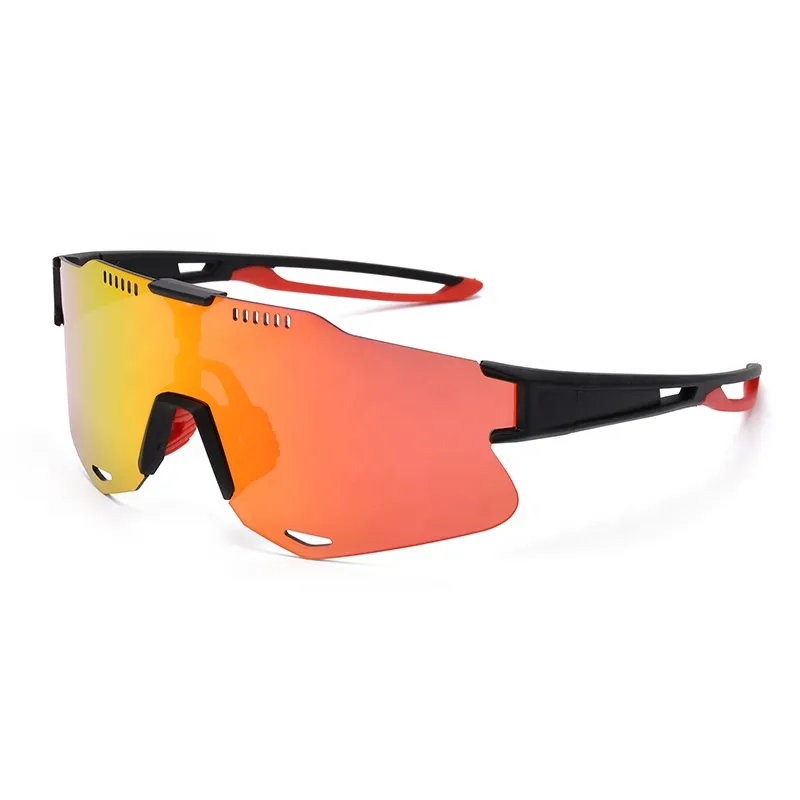
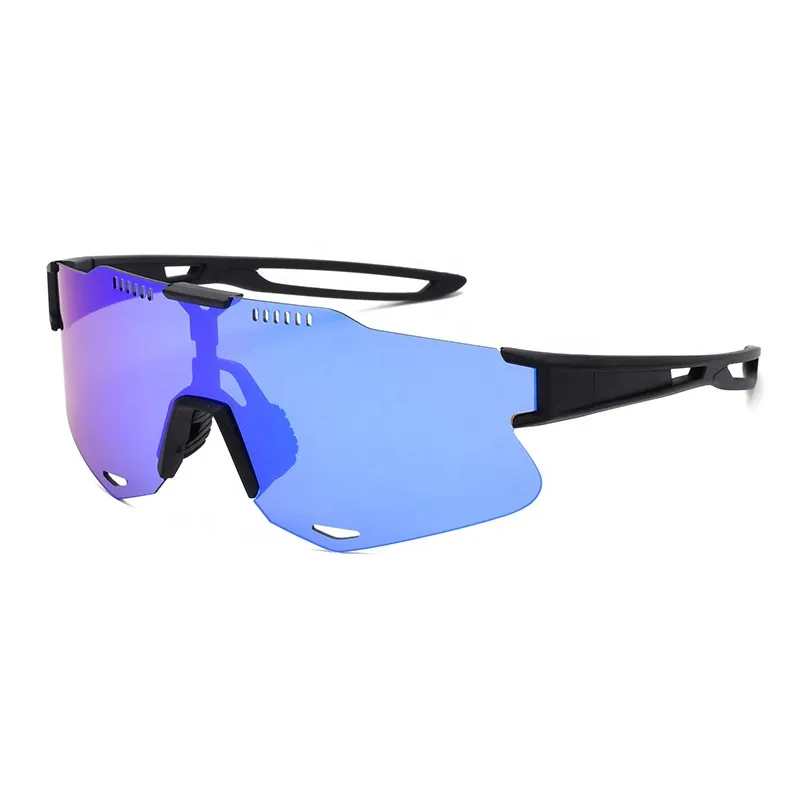
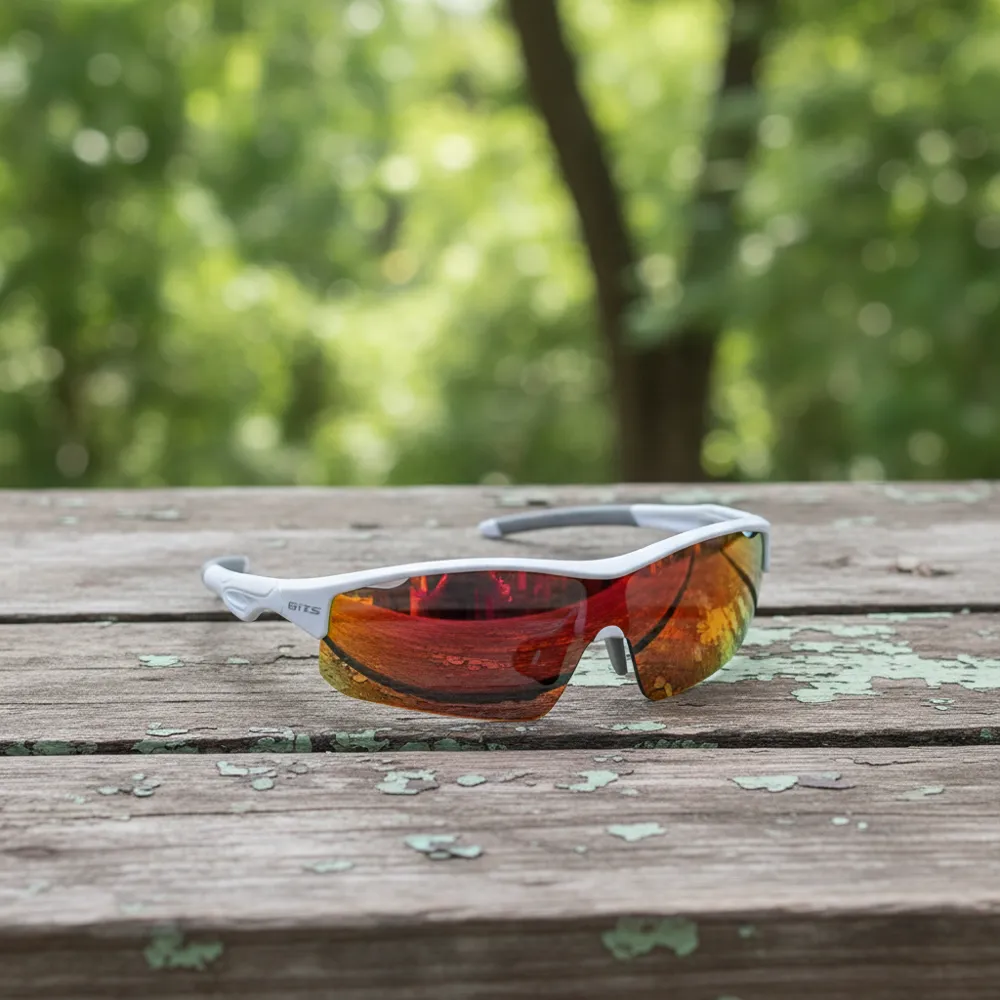
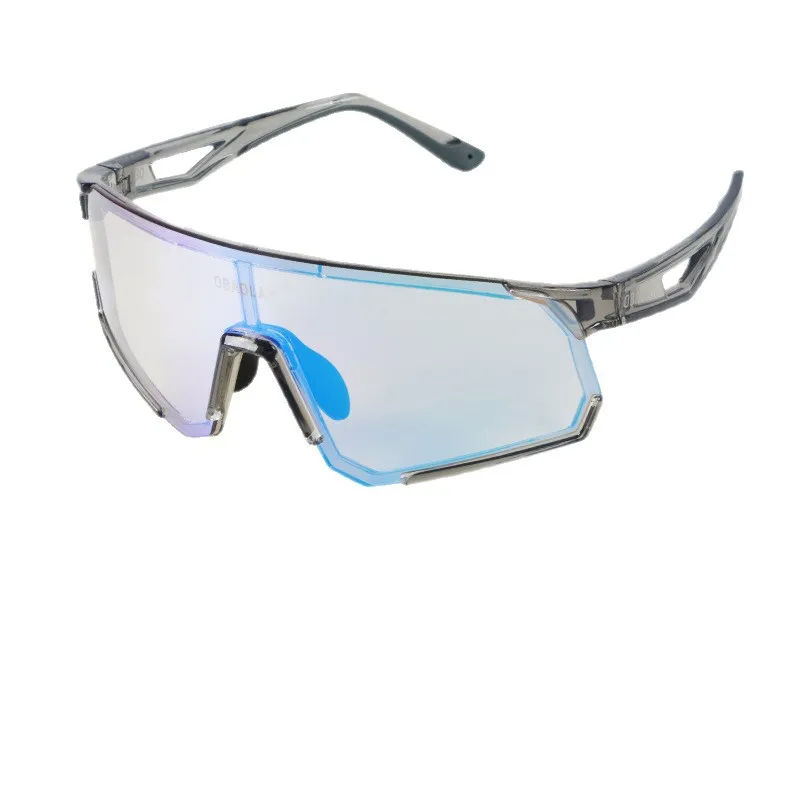
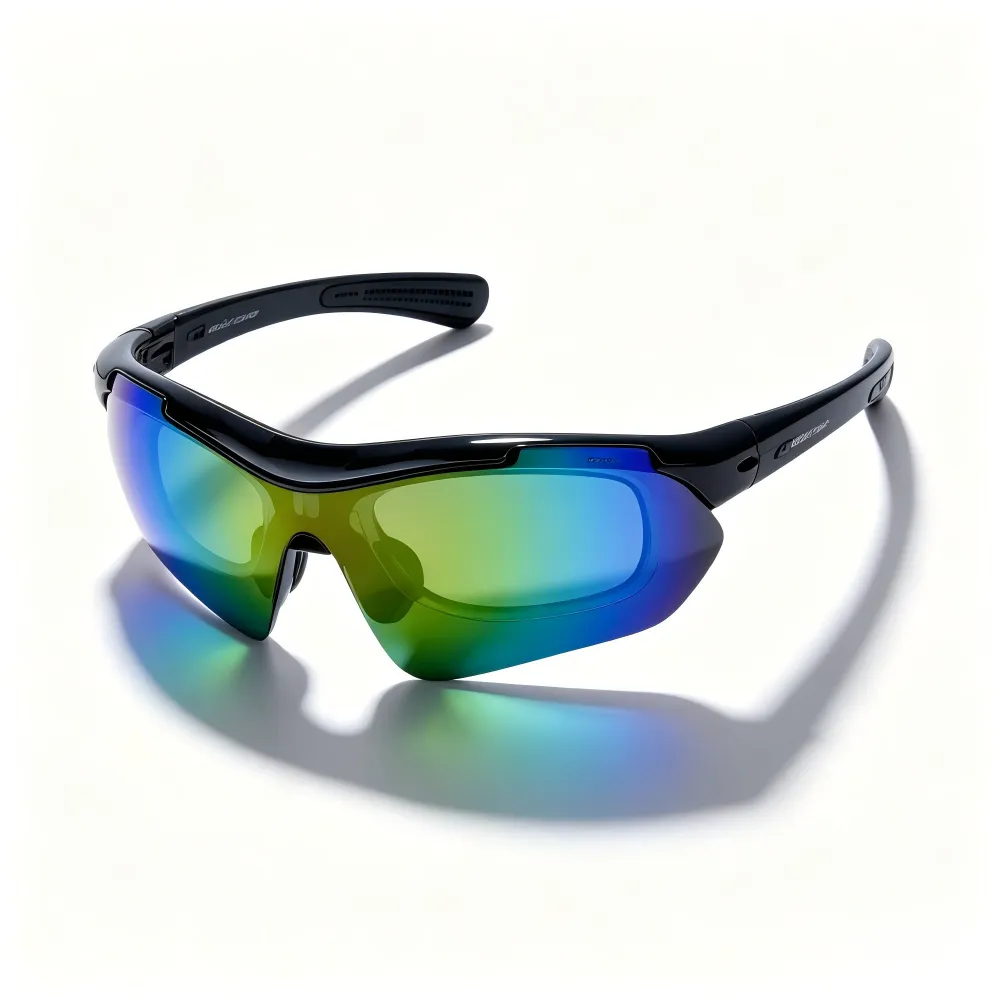
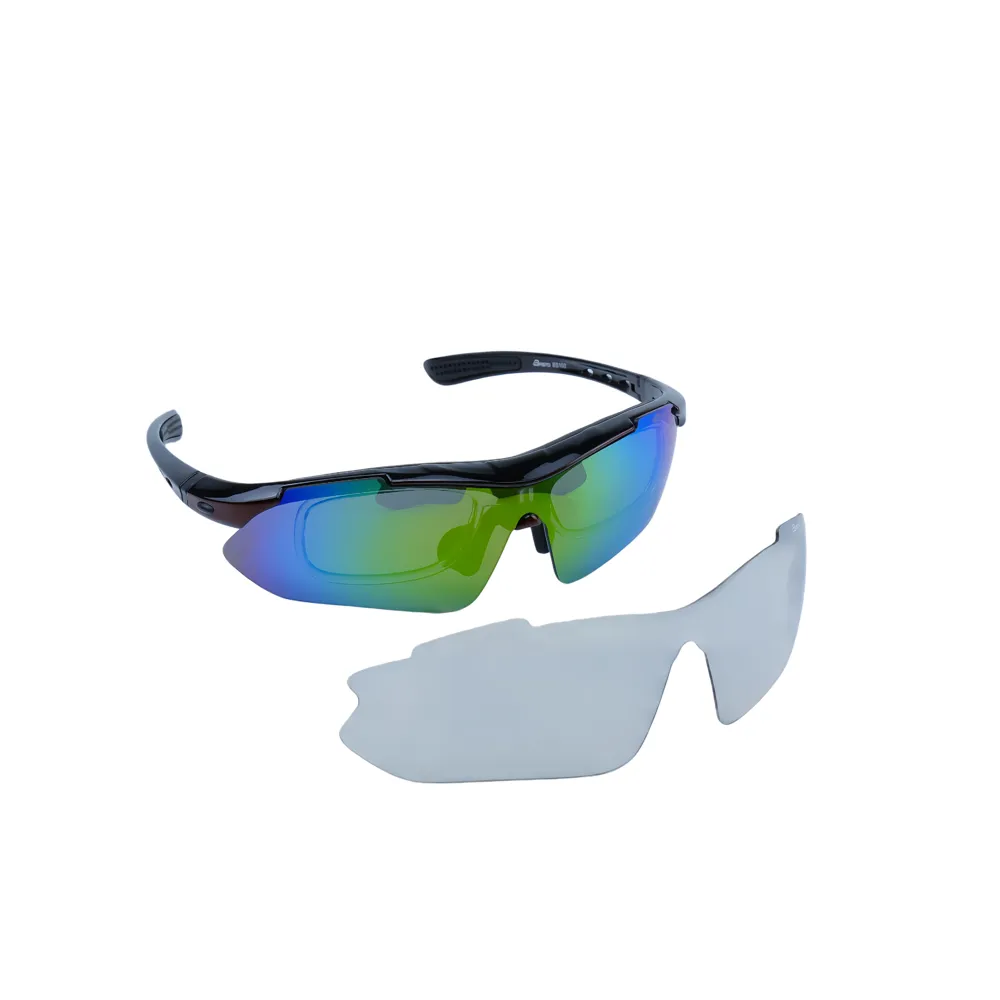
Photochromic models from our range
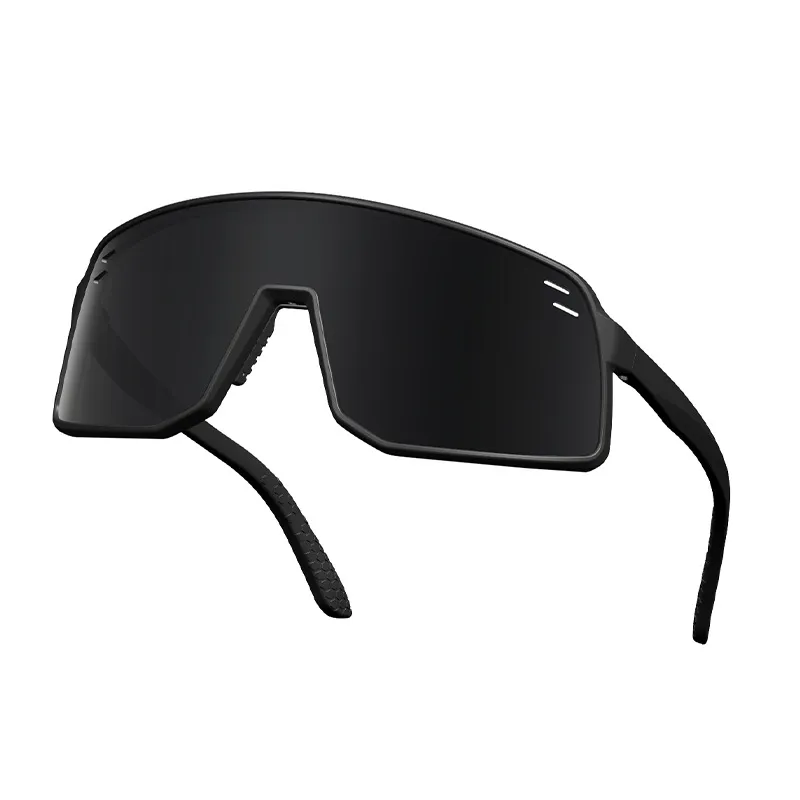
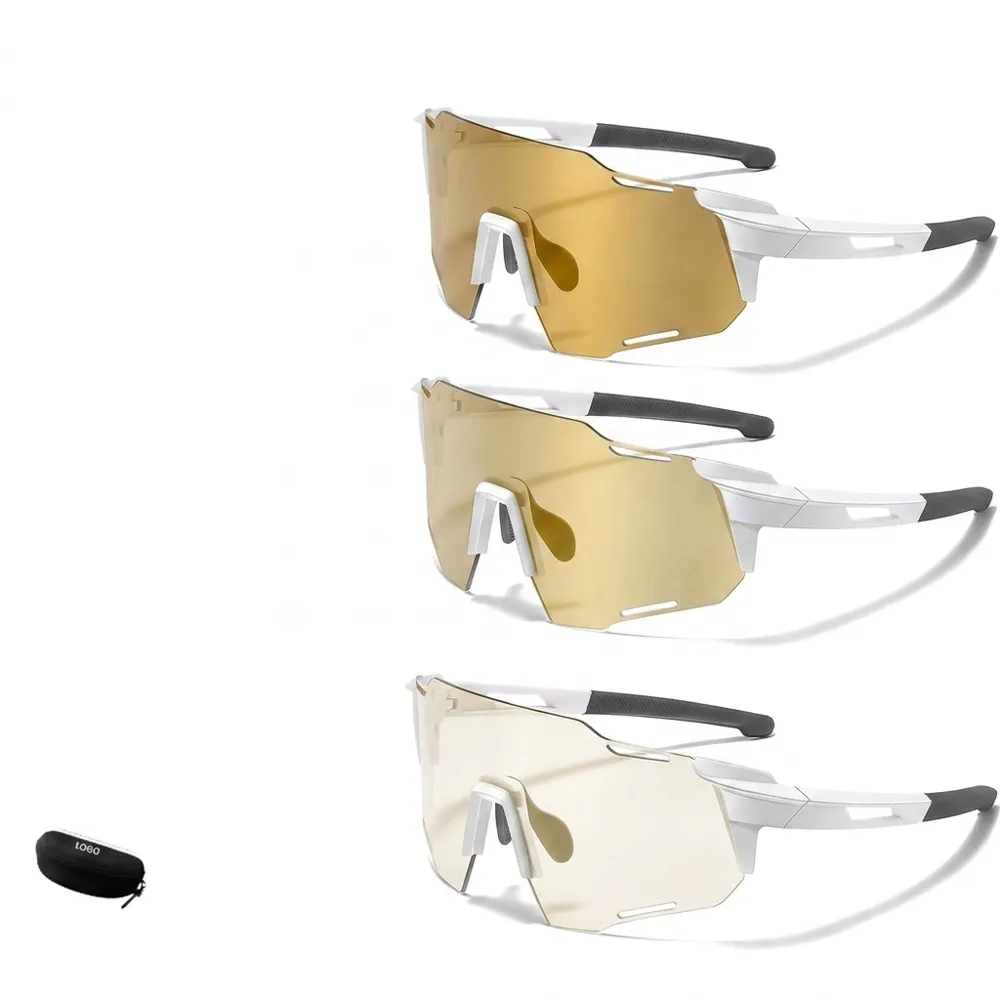
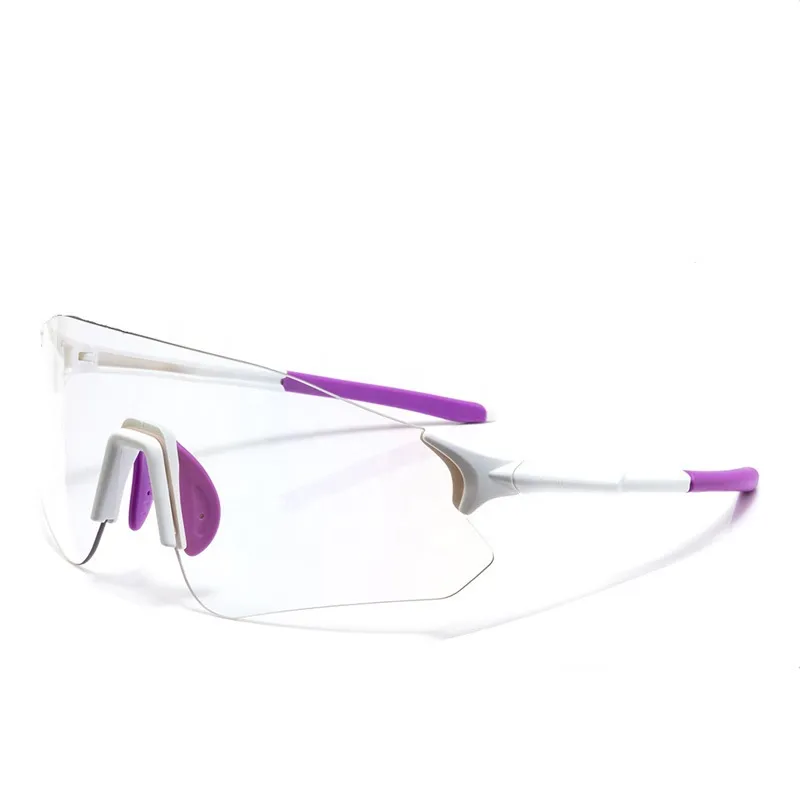
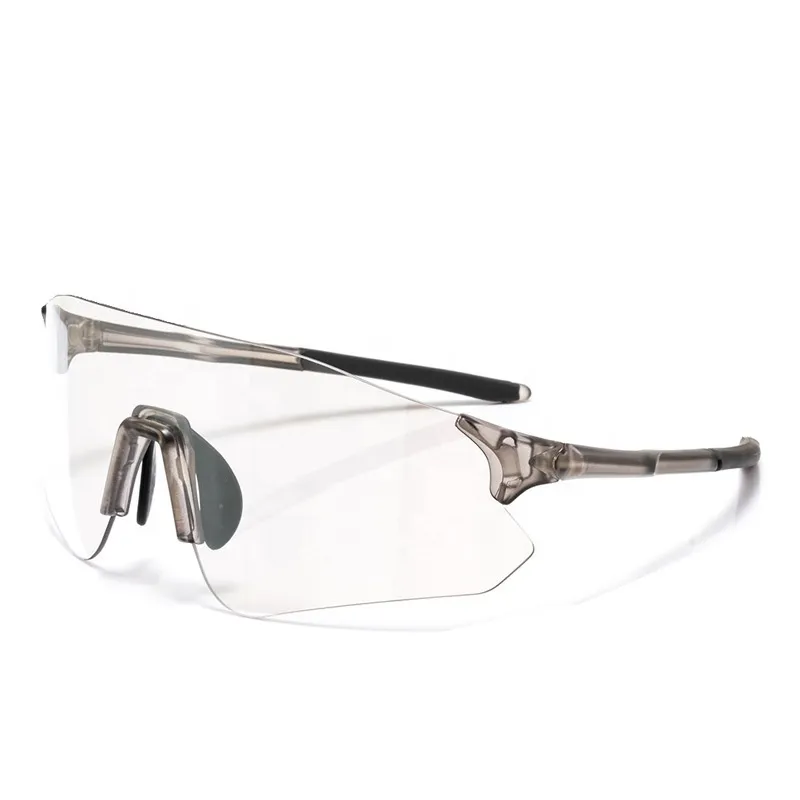

Why don't photochromic lenses work in the car?
Most car windscreens block most UV light, so the lens has little UV to react to. Riders and drivers who want dark lenses behind glass need a fixed tint.
Are photochromic lenses polarized?
Not by default. Photochromic and polarized are two different functions, but they can be combined in one lens. When you ask for a quote, say whether you need photochromic only, or photochromic polarized.
What to check on a photochromic sample
Clear-state light transmission, darkest tint after one minute in sun, clearing time indoors, and color evenness across the lens. Ask for the lens category (0–3) in both states for EU labelling.