
Polarized vs Non-Polarized Sunglasses
Polarized lenses cut reflected glare from water, roads and snow; non-polarized lenses only reduce overall brightness. Both can block 100% of UV if they are UV400 — polarization and UV protection are separate features.
What are polarized sunglasses?
Light reflected off flat surfaces such as water or a wet road is mostly horizontally polarized. A polarized lens contains a filter film that only lets vertically oriented light through, so that horizontal glare is blocked.
In mass-produced sunglasses the filter is usually a TAC polarizing film laminated into the lens, or a film sandwiched inside a PC or nylon lens.
How to tell if sunglasses are polarized
Hold the sunglasses in front of a phone or computer screen and rotate them 90°. If the screen goes dark at one angle, the lens is polarized.
You can also look at a reflective surface such as a car bonnet or water and tilt your head: glare changes strongly through a polarized lens. For bulk orders, ask the supplier for a polarization test report per model.
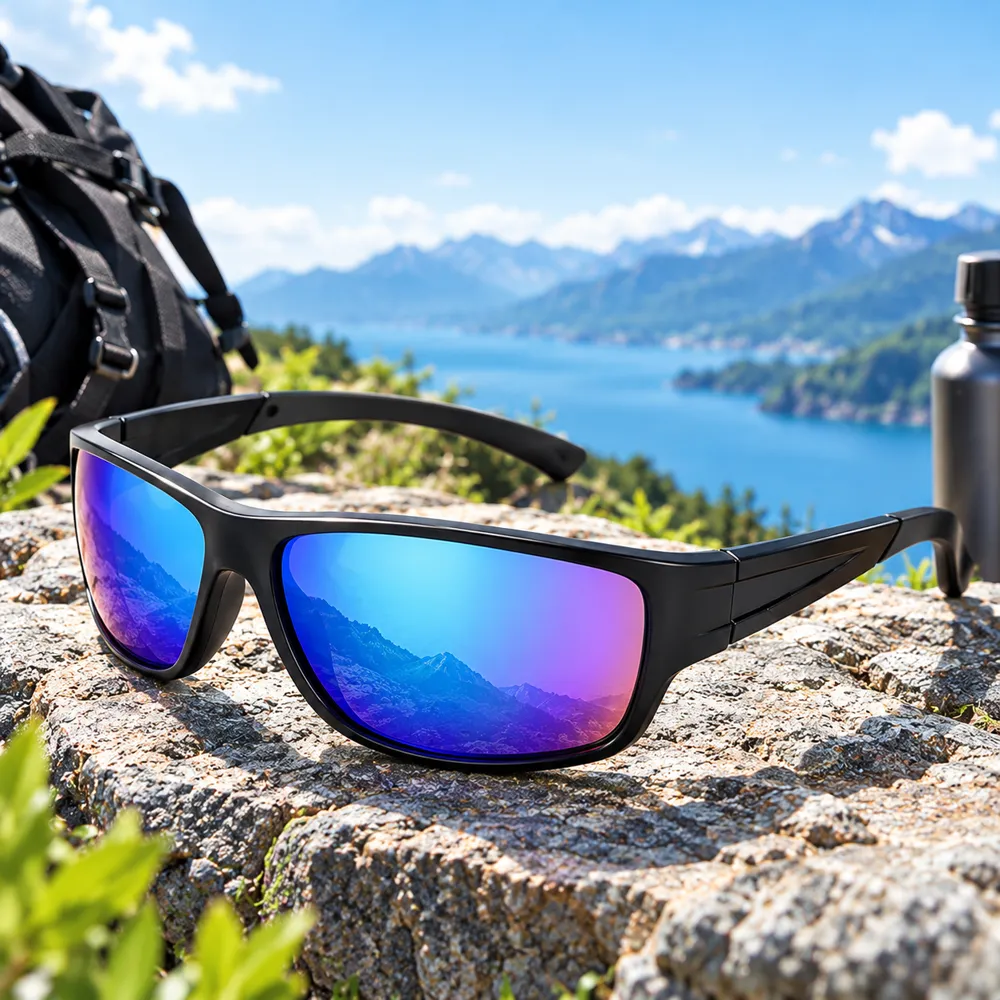
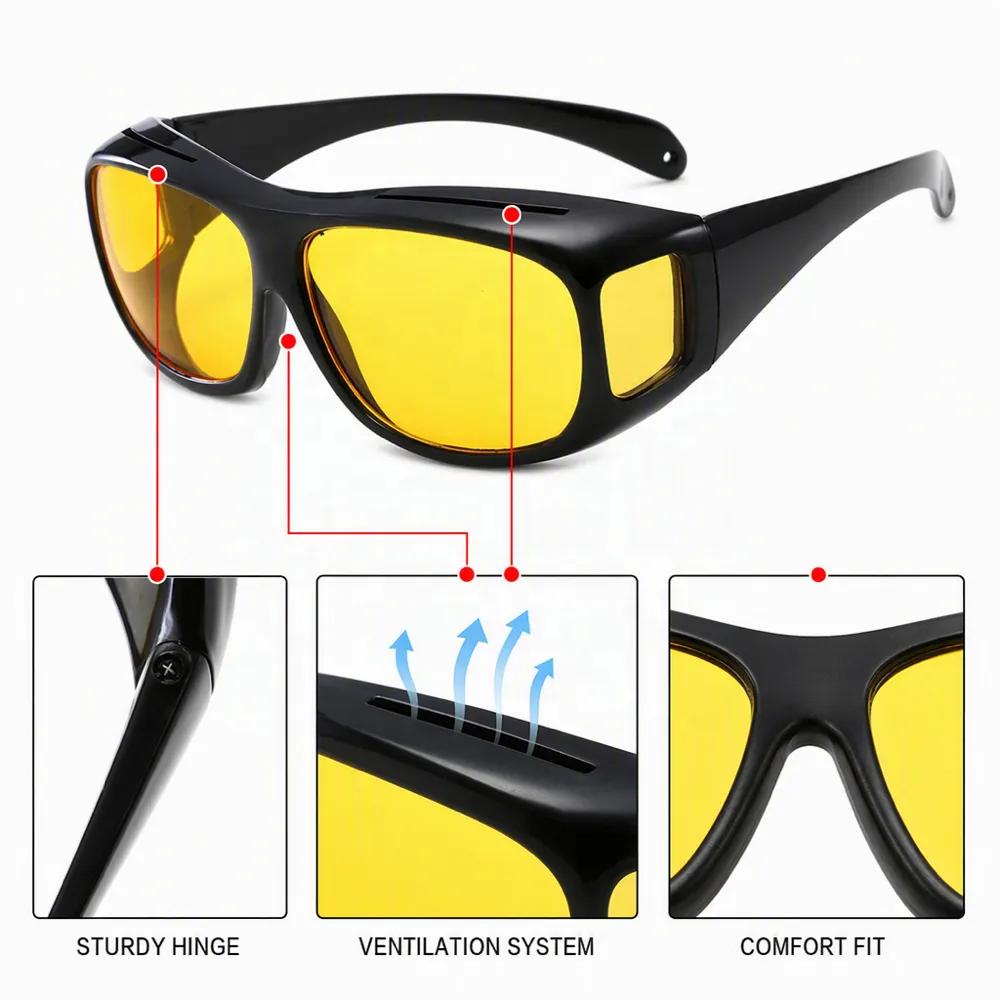
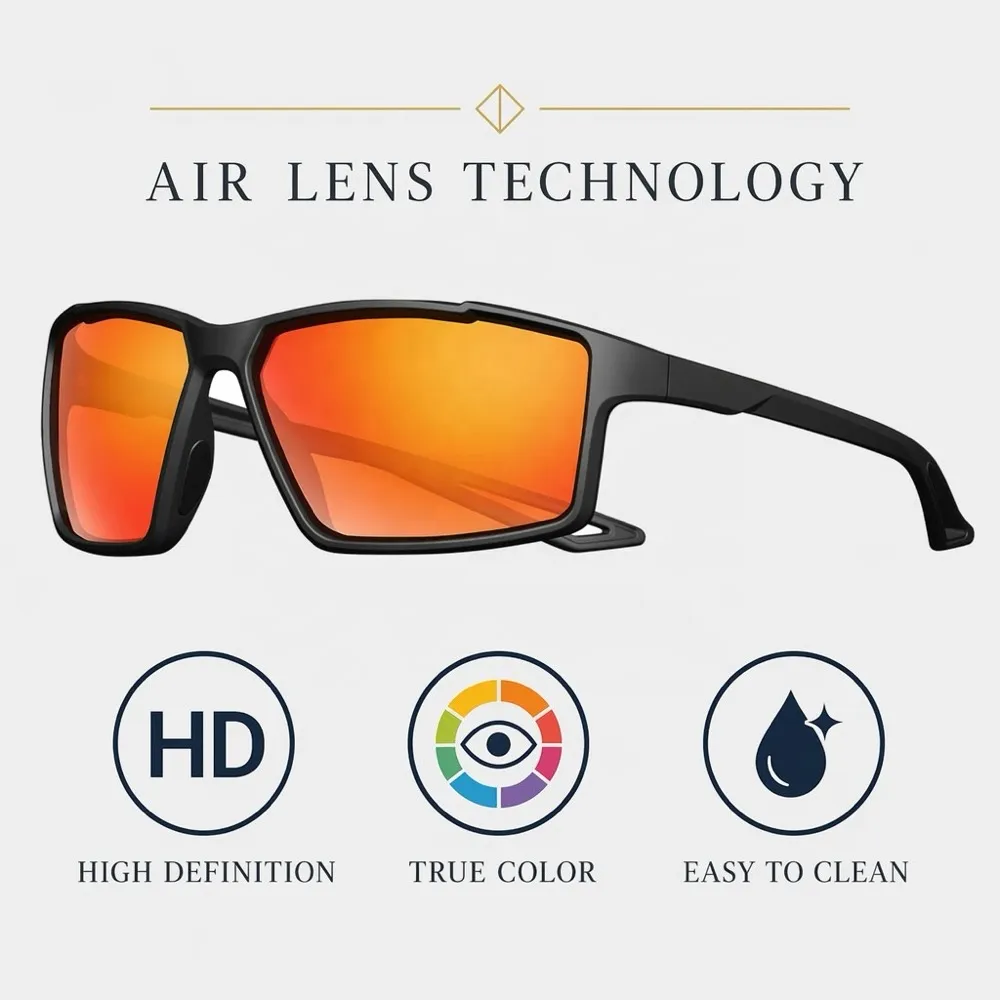
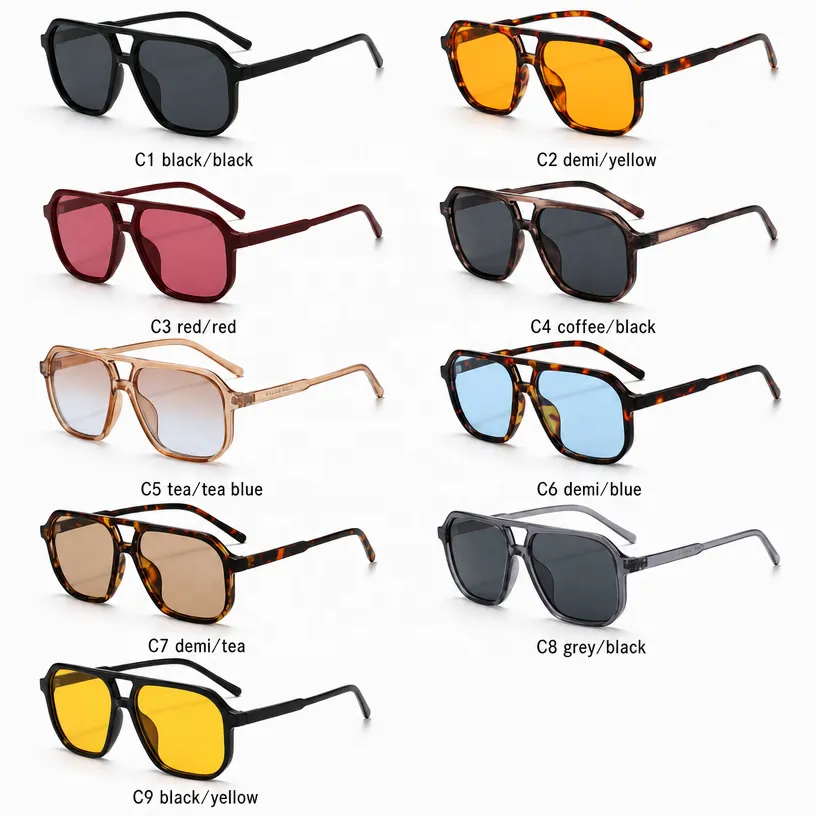
Polarized models from our range


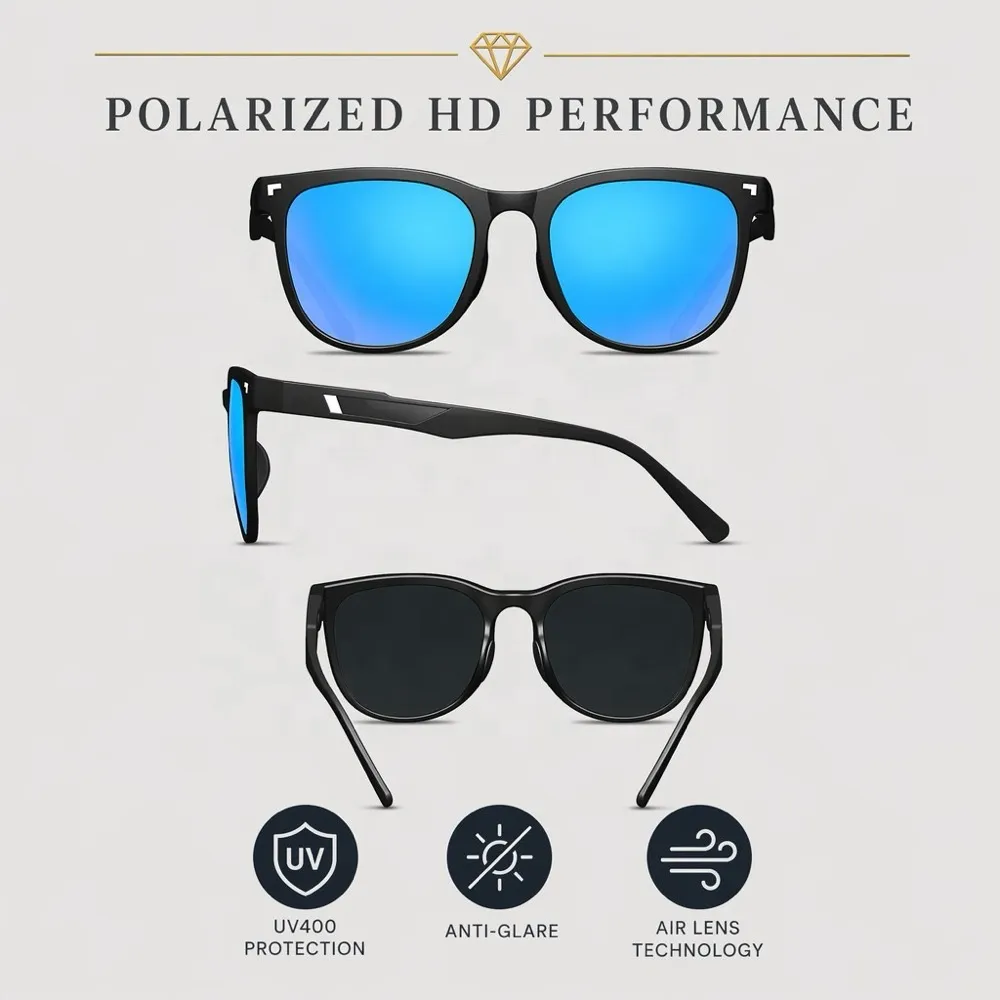
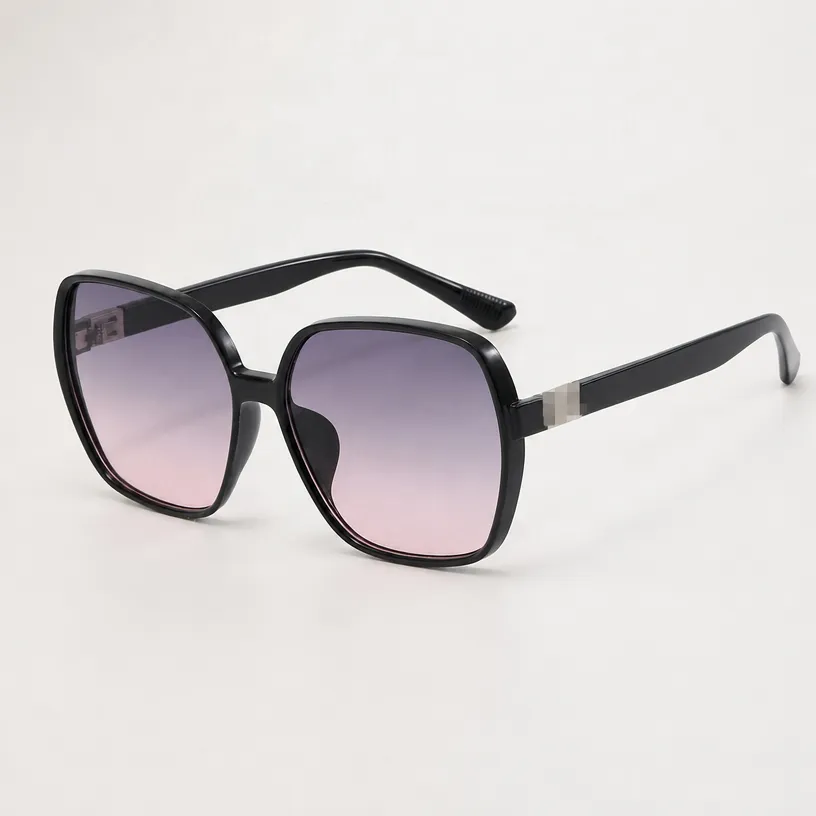
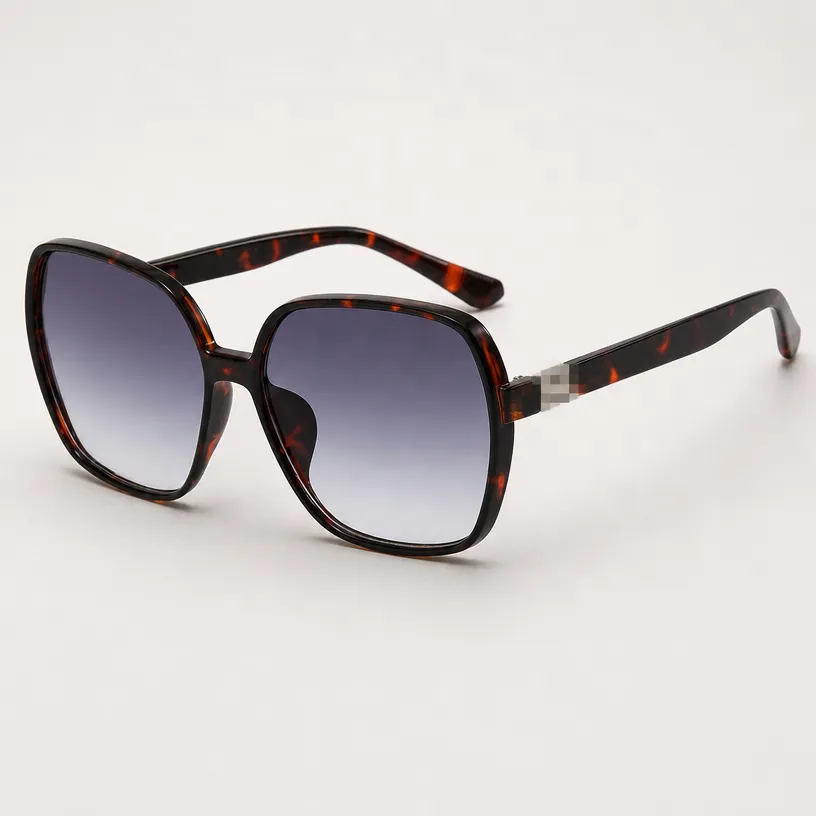

Are polarized sunglasses better?
For fishing, boating, driving and most outdoor sport, yes — less glare means less squinting and better contrast.
For pilots, skiers on icy slopes and anyone who reads LCD screens a lot, polarization can hide useful reflections or black out displays; a non-polarized mirror or tinted lens may be the better choice.
Polarized lens options for private label
Common options are grey (true color), brown (contrast), green, and mirror coatings over a polarized base. TAC polarized lenses are lighter and cheaper; PC and nylon polarized lenses add impact resistance for sport and safety use.