
How to Choose Cycling Sunglasses
Good cycling sunglasses cover a wide field of view, stay put on rough roads, don't fog on climbs, and use a lens tint suited to the light the rider rides in.
What to look for in cycling sunglasses
A shield or wrap lens for peripheral view and wind protection; adjustable nose pads and rubber temple tips for grip; vents at the lens edge against fog; and a light TR90 or nylon frame that works with a helmet.
Which lens tint?
Smoke or grey mirror for bright sun; brown, rose or red for contrast on changing roads and trails; yellow or clear for dusk and rain; photochromic for riders who want one lens all day.
Cycling models from our range
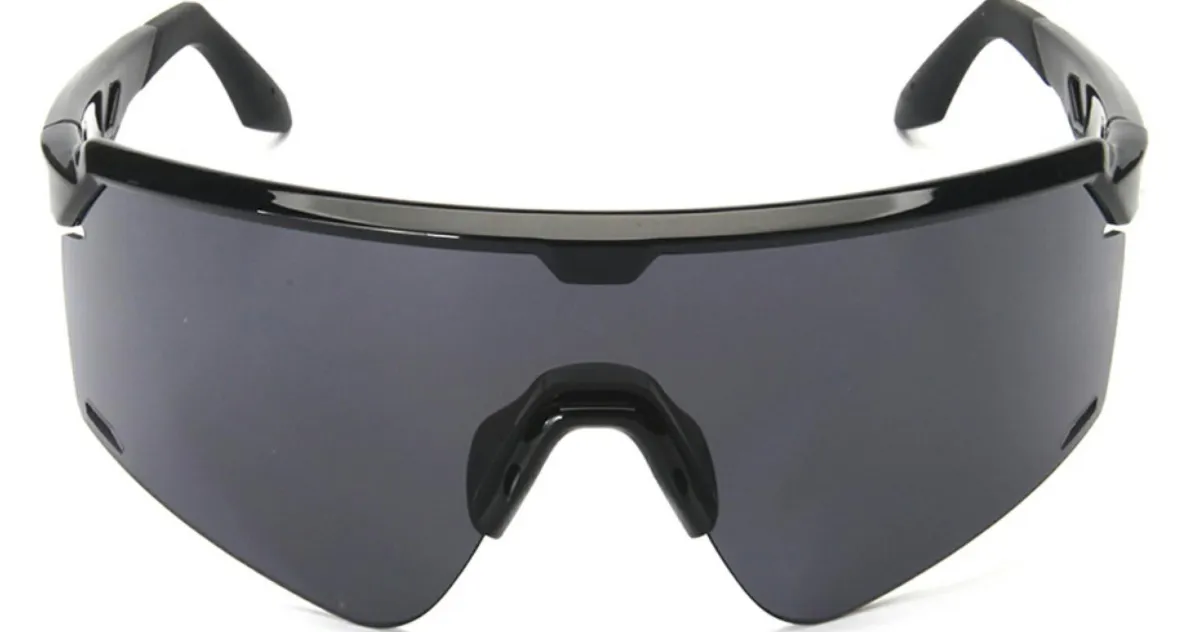
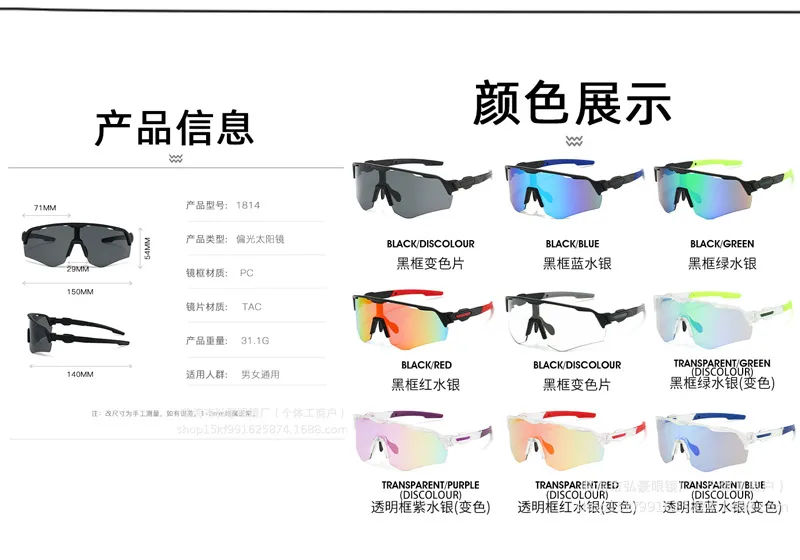
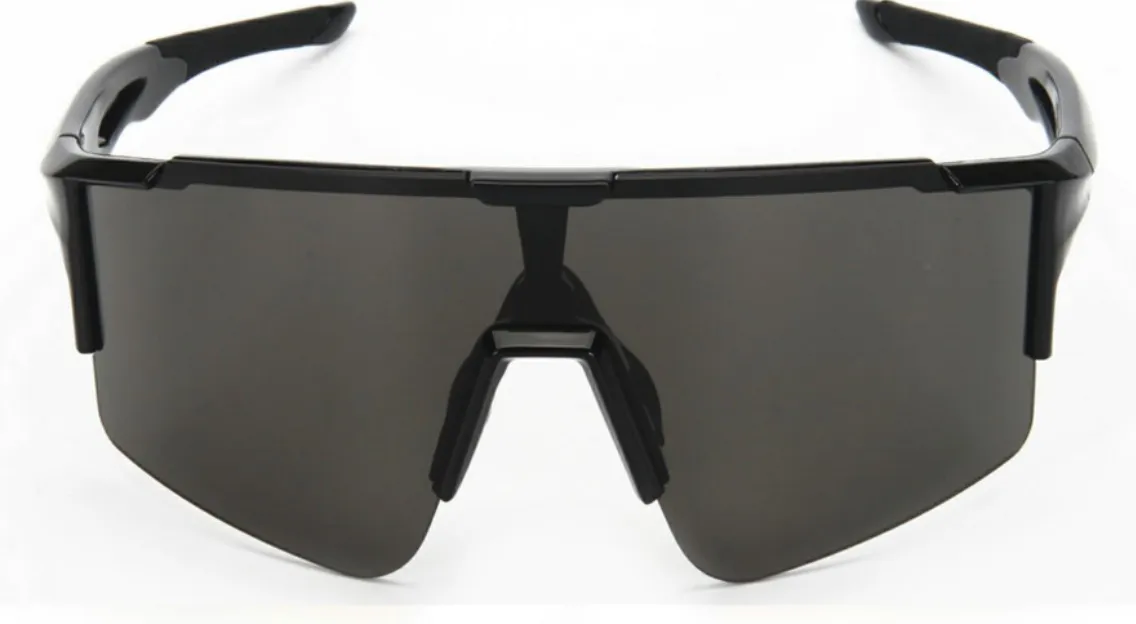
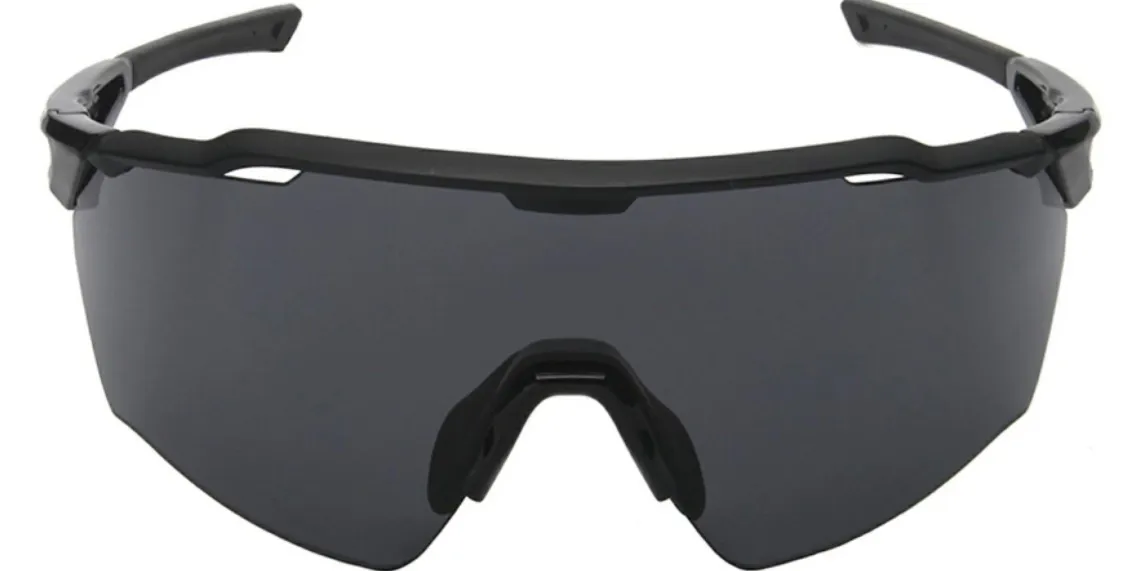
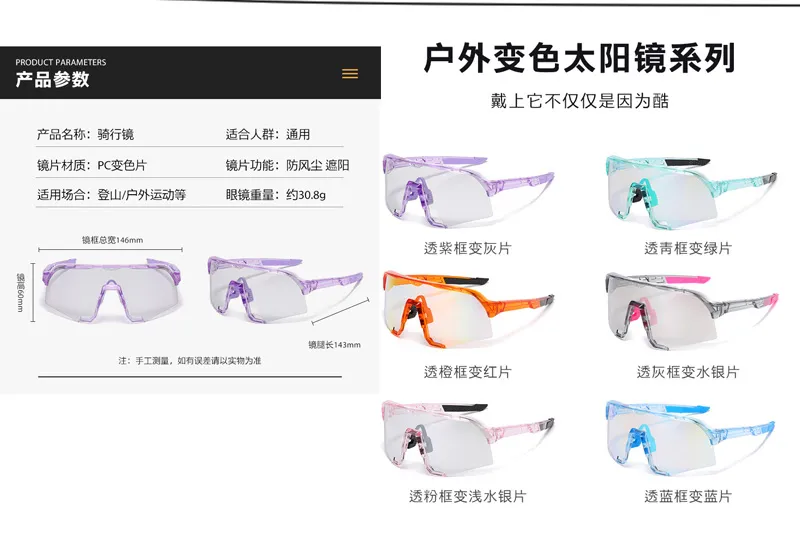
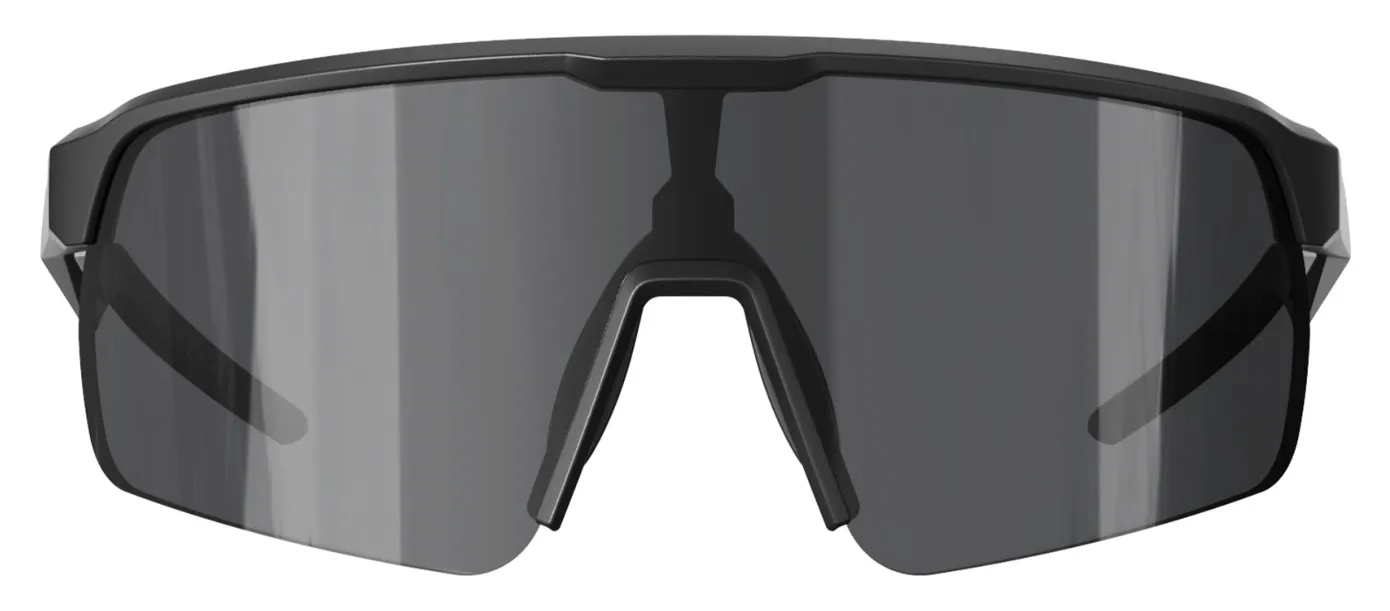
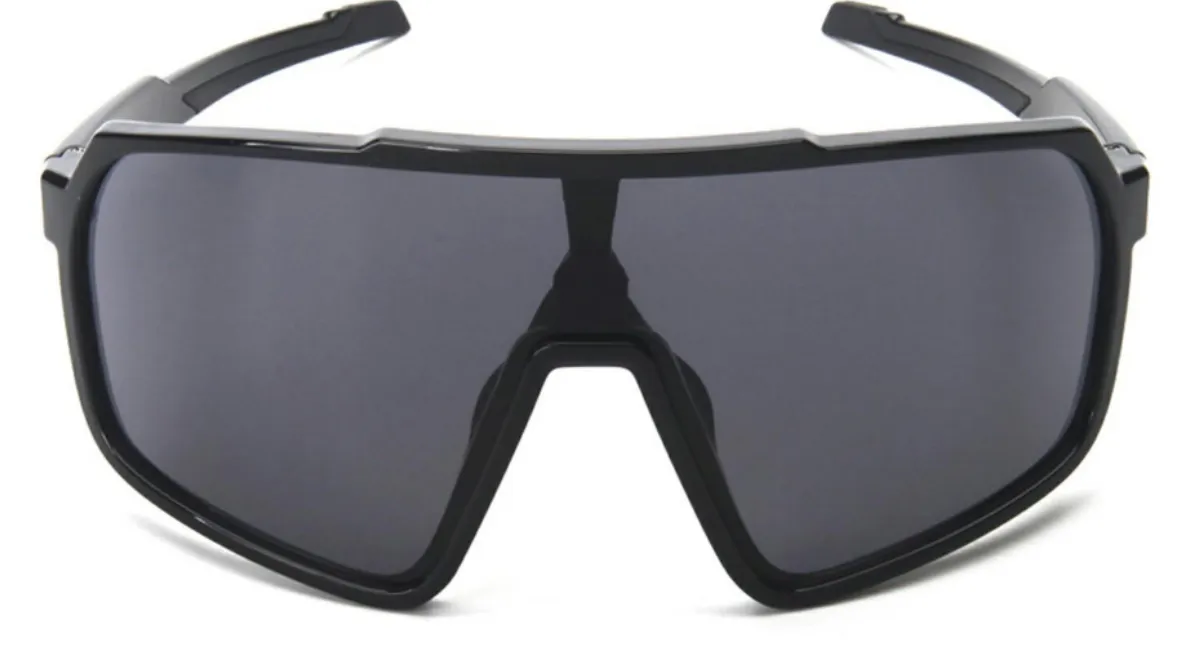
Do you need polarized sunglasses for cycling?
Not necessarily. Polarized lenses cut glare off wet roads, but can hide reflections from ice or oil and black out some bike computer screens. Many road and MTB riders choose non-polarized high-contrast lenses.
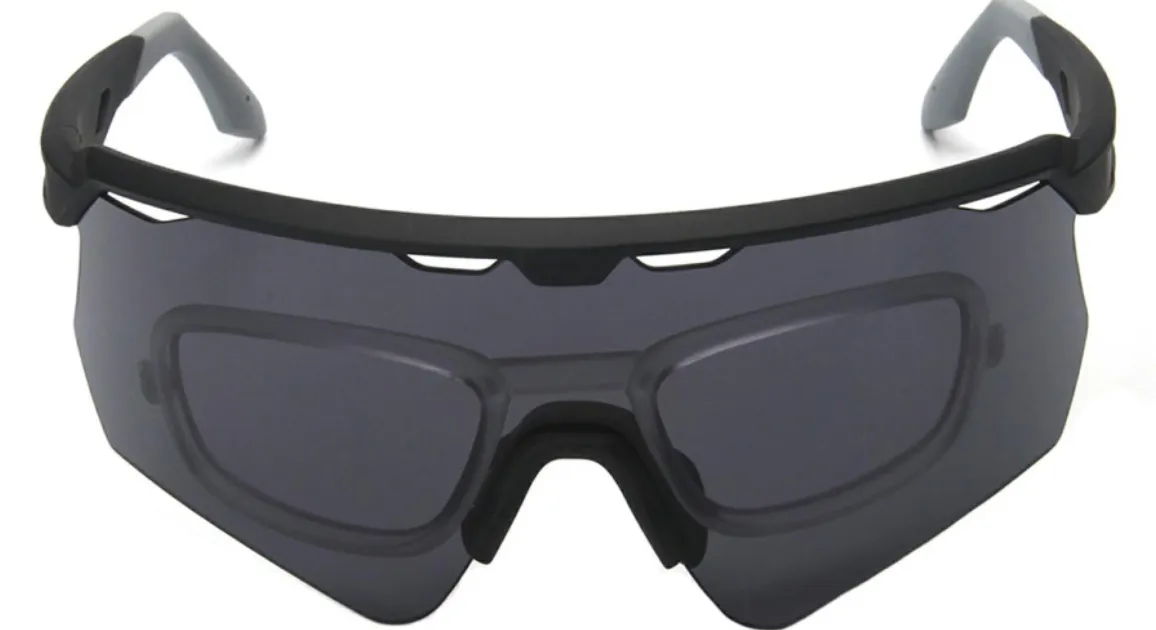
Cycling glasses with RX insert
Riders who wear prescription glasses can use a clip-in RX insert behind the main lens. The insert is glazed by an optician. Many of our cycling frames accept an insert — they are listed on the RX insert page.
Shield vs half-rim vs full-rim
Shield: widest view, one-piece lens. Half-rim: open lower view, quick lens swaps. Full-rim: strongest frame, more casual look. Our 2026 K series has size charts (frame width, lens width and height, bridge, temple) for each model.